


International Education Institute Launched the Social Practice Program “Energy Silk Road Journey Global Energy Observation and Dialogue”
Recently, the International Education Institute successfully completed the inaugural 2026 Program for International Students “Energy Silk Road Journey: Global Energy Observation and Dialogue”. This program draws inspiration from the spirit of the Silk Road and advocates connectivity, dialogue, and cooperation and encourages international students to return to their home countries or travel to relevant countries to conduct field research on topics such as global energy transition, power system development, and the application of green technologies.
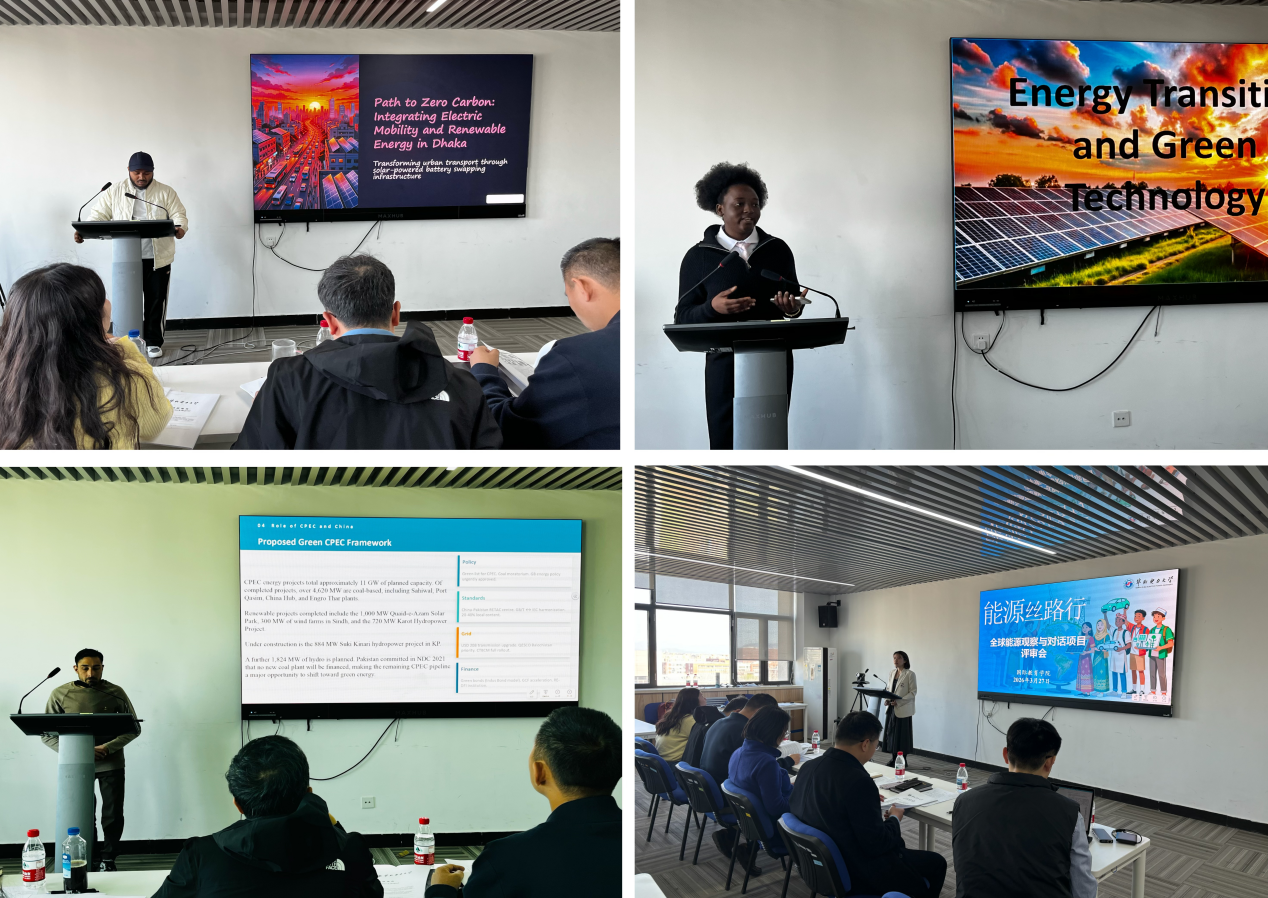
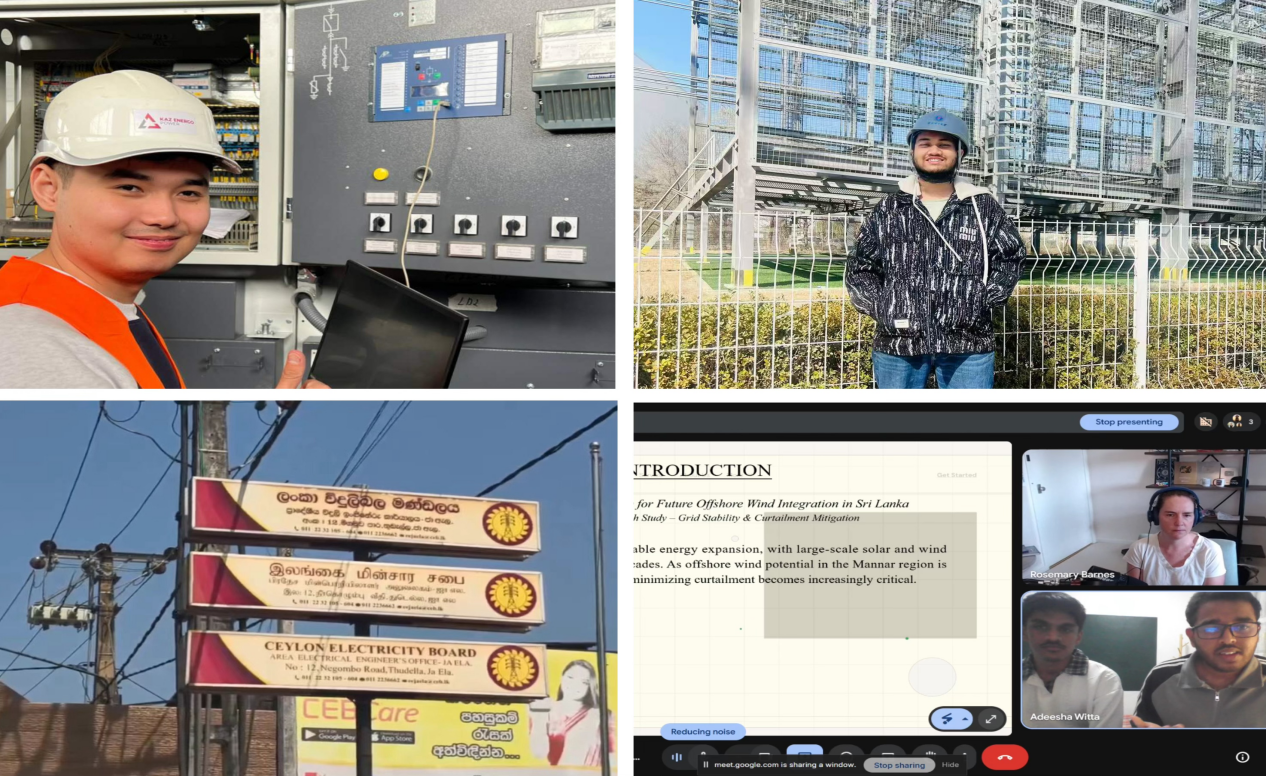
This program is the first cross-border research activity in the energy sector organized by the International Education Institute for international students. The program establishes six major research themes, covering energy resource endowment, energy policy and international cooperation, power system development and status, energy transition and green technology application, domestic development and impact of Chinese energy enterprises, and talent workforce structure in the energy and power sector. International students from Sri Lanka, Russia, Bangladesh, Kazakhstan, Pakistan, South Africa, Mozambique and other countries have taken an active part. All teams conducted field visits to local power enterprises, residential communities and agricultural greenhouses, inspected on-site energy projects, and carried out in-depth research centering on their respective research topics.
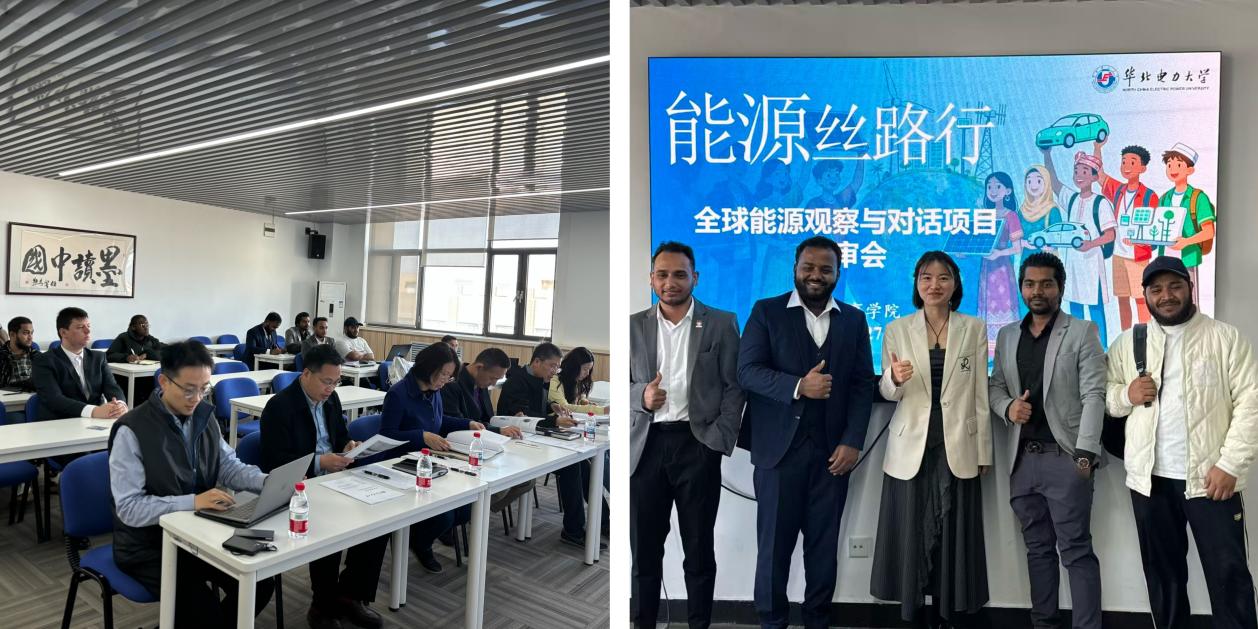
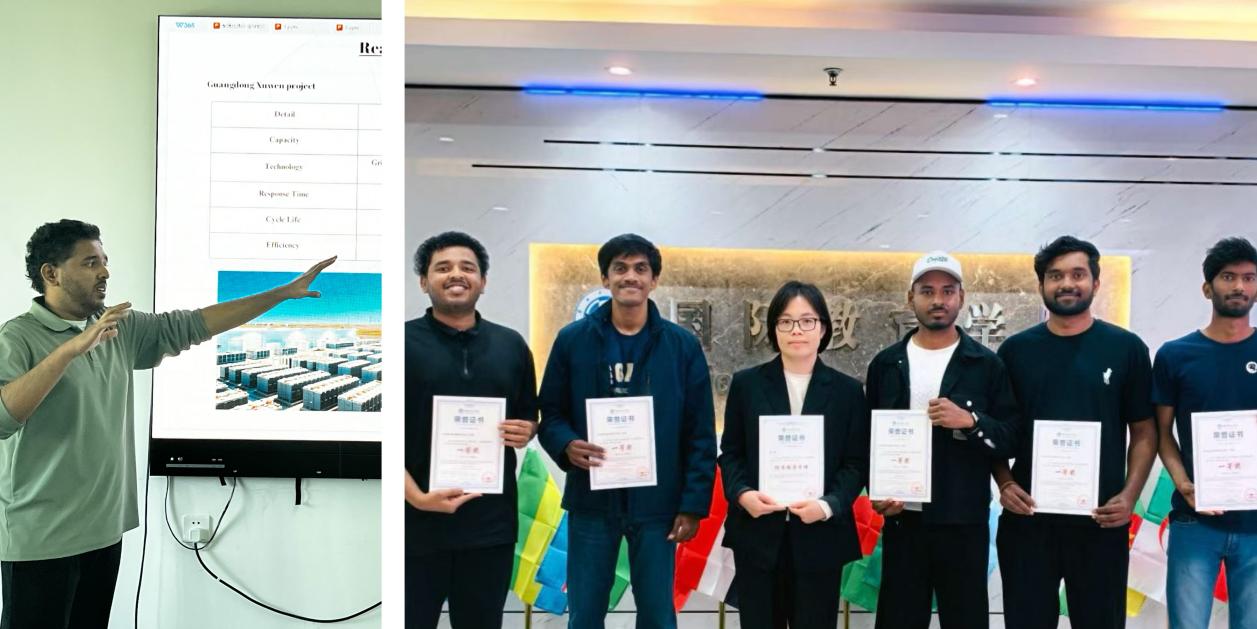
Since the initiation of the program in January, upon completion of successive sessions including safety training, interim progress supervision, as well as appraisal and defense, six international student teams have fully accomplished their two-month research tasks. Relevant high-quality research findings have been finalized, which fully manifests the global vision and professional attainment of international students pursuing studies in China. Following comprehensive assessment, the final award results have been confirmed, comprising two First Prize winners, one Second Prize winner and three Third Prize winners. Specifically, the First Prizes are conferred upon the Sri Lankan team and the joint team of Russia, Bangladesh and Kazakhstan. The Bangladeshi team is awarded the Second Prize, whereas the three teams from Pakistan, South Africa and Mozambique receive the Third Prizes.
The First Prize-winning project entitled The Green Energy Transition through wind power: The case of Sri Lanka focuses on the wind curtailment dilemma confronting the proposed 500 MW offshore wind power project in the Mannar Sea area of Sri Lanka. It systematically evaluates the applicability of China’s Battery Energy Storage System (BESS) technology in mitigating wind curtailment and improving the utilization efficiency of renewable energy sources. Based on publicly available official planning data of Sri Lanka, combined with field research conducted in Sri Lanka and consultations with experts from multiple fields, this study established a sensitivity analysis model covering three energy storage capacity configurations (100 MWh, 300 MWh, and 500 MWh) and three wind curtailment scenarios (low, medium, and high). The results show that a 500 MWh BESS can capture 164.3 GWh of electricity annually and reduce wind curtailment by 17.6% by 2030. Drawing on the wind curtailment management practices of Gansu and Qinghai in China, this study puts forward localized recommendations in terms of technical selection, procurement models and policy mechanisms. It demonstrates the research practice of international youth who take energy issues in their home countries as the starting point and draw on China’s practical experience.
The project entitled Energy infrastructure in Russia, Bangladesh and Kazakhstan: Exploring opportunities for synergy with the Chinese development model is undertaken by a transnational research team composed of students from Russia, Bangladesh and Kazakhstan. Centering on the core proposition of how China’s technological expertise in direct current transmission can facilitate the power grid modernization of Eurasian cooperative partners, this study conducts a comparative case investigation on the power systems of Russia, Kazakhstan and Bangladesh. This study develops an evaluation matrix covering 16 dimensions and systematically identifies a common bottleneck across the three countries, namely the mismatch between large-scale power generation investment and outdated power transmission infrastructure. In accordance with disparities in geographical distance scales, power grid resilience and climate vulnerability, this paper proposes differentiated technical development pathways. Specifically, Russia is suited to deploy ±800-1100 kV ultra-high voltage direct current (UHVDC) technologies. Kazakhstan shall adopt a hybrid scheme integrating conventional high-voltage direct current (HVDC) with voltage source converter high-voltage direct current (VSC-HVDC, flexible DC). Bangladesh is recommended to establish a 765 kV alternating current (AC) backbone power grid, equipped with flexible DC facilities at critical grid nodes. This study further reveals that the effective transfer of China’s development experience necessitates institutional guarantees, diversified financing mechanisms and localized capacity building. It also highlights the unique value of joint research on energy cooperation issues conducted by young scholars from diverse stakeholder countries based on their firsthand contextual insights.
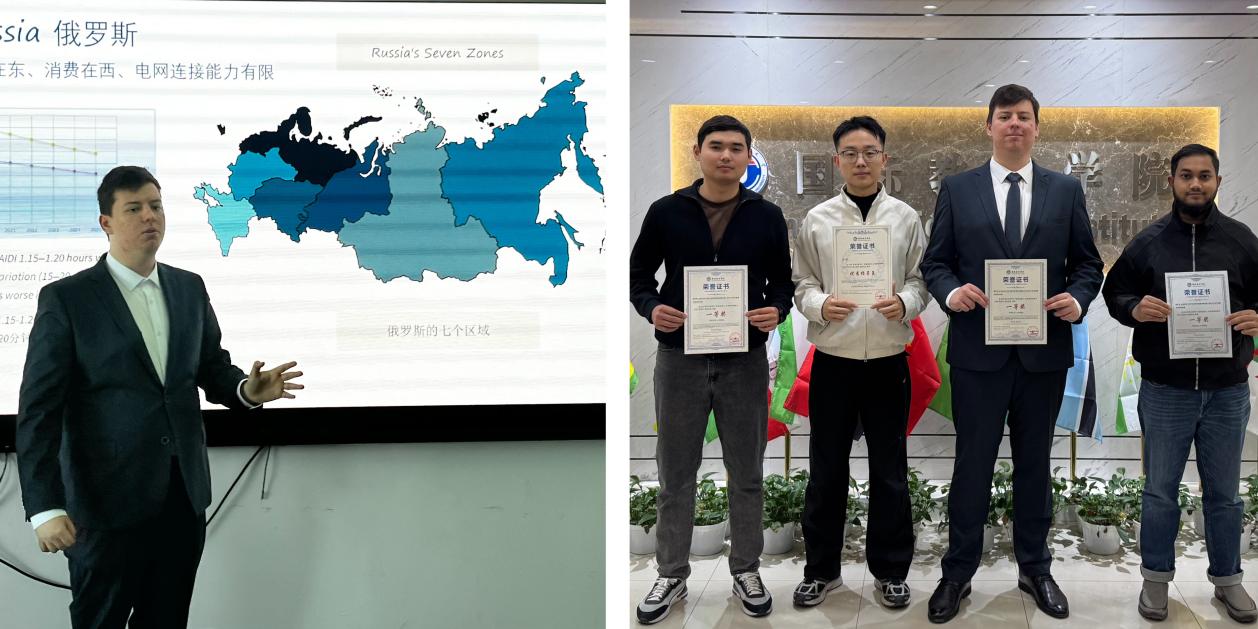
The Energy Silk Road Journey not only offers international students valuable opportunities to engage in frontline practices of global energy development and conduct cross-cultural field investigations, but also establishes a practical platform for Sino-foreign energy dialogue and youth academic exchange.
Through indigenous perspectives and international comparative analysis, participants can deepen their comprehension of global energy governance, green energy transition, and China’s philosophy of energy cooperation, while enhancing their capabilities in academic research and interdisciplinary teamwork. As a pivotal measure adopted by the International Education Institute to implement the talent cultivation model integrating national conditions education and professional practice, this initiative represents an innovative exploration for advancing the high-quality development of education for international students in China. Moving forward, the International Education Institute will take this project as a new starting point to promote the regularized and branded development of the Energy Silk Road Journey. It will encourage more Chinese and international students to engage in global energy observation and multilateral dialogue, thereby contributing youthful insights and strengths to fostering a green, low-carbon and sustainable global energy future.
Initial Review: Hu Ting
Peer Revie: Ren Zhizheng
Final Review: Qi Zheng
Translator: Fan Xinyan